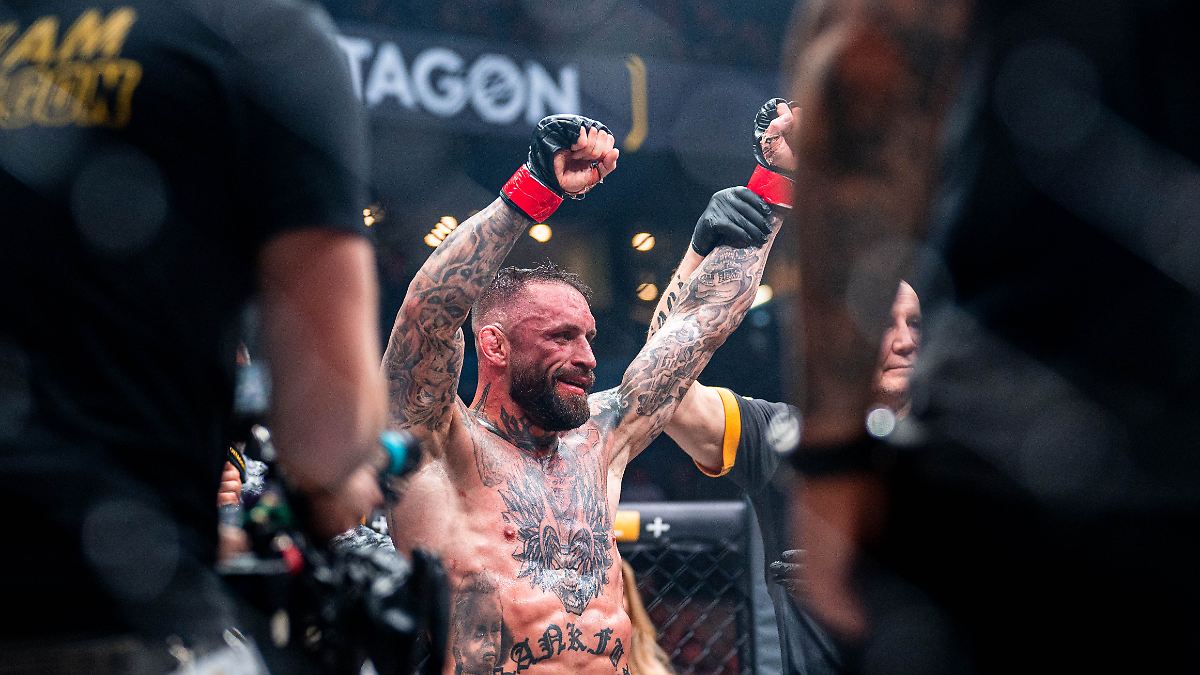
MMA Weigh-in Controversy: Eckerlin Faces Uneven Playing Field
The world of mixed martial arts (MMA) is built on explosive action, rigorous training, and the pursuit of competitive excellence. However, beneath the spectacle often lies a tense drama surrounding one of the sport's most critical, yet controversial, elements: the weigh-in. For German MMA superstar Christian Eckerlin, a recent weigh-in has ignited a firestorm, casting a shadow over his upcoming fight and highlighting the contentious issue of fairness when an opponent fails to make weight. This isn't just about numbers on a scale; it's about the culmination of months of sacrifice, the integrity of the sport, and the safety of its athletes.
The Unfair Scales: Christian Eckerlin's Grueling Preparation vs. Opponent's Disregard
Christian Eckerlin, often dubbed "The King of Frankfurt," is no stranger to the demands of the cage. A former professional footballer who transitioned into a celebrated MMA career, Eckerlin has captivated German audiences, earning welterweight and middleweight titles in various organizations. His ambition now centers on an OKTAGON title, a goal that demands unparalleled dedication. For his recent bout, Eckerlin embarked on an arduous 10-week preparation, culminating in a staggering 15-kilogram weight cut. He diligently reached his target, stepping onto the scales at a lean 77.4 kilograms – a testament to his discipline and commitment to making the contracted Eckerlin Gewicht.
However, the narrative took a sharp turn when his opponent, Pukac, failed spectacularly to meet the agreed-upon weight. The morning before the official weigh-in, Pukac was already 1.5 kilograms over. This deficit only worsened, with reports later indicating a 6-kilogram excess. The most concerning projection suggests that on fight day, Pukac could weigh approximately 88 kilograms, creating a colossal 11-kilogram weight advantage over Eckerlin. This significant discrepancy has sparked outrage among fans and Eckerlin's camp alike, raising serious questions about fair play.
The personal toll of this situation is palpable, especially for Eckerlin's family. His wife, Dominique, who has been by his side for 13 years, openly expressed her distress. "My husband has really stuck to the diet for over ten weeks," she told RTL. "He was lying next to me in bed with stomach growling – he had trained down to 84 kilos. The rest is done with water, which is also dangerous. Now he weighs just seven kilos more than I do. And if the opponent doesn't stick to it, that's super unfair and somehow an advantage for him." Her words encapsulate the frustration of witnessing such immense personal sacrifice undermined by an opponent's failure to adhere to the rules. The stark contrast in commitment to the agreed-upon Eckerlin Gewicht is not just a competitive disadvantage, but a profound ethical breach.
Understanding the Weight Cut: A Risky Endeavor for Fair Play
Weight cutting is a pervasive, yet perilous, practice in combat sports. Athletes often compete in weight classes significantly below their natural walking weight, attempting to gain a competitive advantage by rehydrating and refuelling after the weigh-in, thereby entering the cage heavier than their opponent. The process involves extreme measures:
- Water Loading: Fighters drink excessive amounts of water (up to 10 liters daily) while consuming salty foods over several days. This manipulates kidney hormones, increasing urine output.
- Dehydration: This is followed by a drastic reduction in water intake (often just 1-2 liters) for the final 24-48 hours before the weigh-in. The body, still accustomed to expelling large volumes of water, continues to dehydrate.
- Sweat-Induced Loss: Saunas, hot baths, and heat blankets are used to induce profuse sweating, shedding additional 'water weight' rapidly.
While effective for making weight, this process is fraught with health risks. The extreme water loss in a short period can severely strain the kidneys, impact cardiovascular function, and impair cognitive abilities. Fighters often feel depleted, dizzy, and weak during this phase, making the discipline required to achieve their target, like Christian Eckerlin's 77.4 kg, truly remarkable.
The irony in Eckerlin's situation is stark: he underwent this grueling and potentially dangerous process to meet the agreed-upon Eckerlin Gewicht, putting his body through immense stress, only for his opponent to sidestep the requirement. This not only negates Eckerlin's sacrifice but hands Pukac a significant, unearned physical advantage. For a deeper dive into the extreme measures Eckerlin took and the broader health concerns, read more on Christian Eckerlin's Extreme 15kg Weight Cut and MMA Risks.
The Strategic & Safety Implications of a Weight Mismatch
An 11-kilogram weight disparity in an MMA bout is not merely a number; it's a monumental competitive imbalance. In a sport where every gram can matter, this difference translates into several critical advantages for the heavier fighter:
- Power and Force: A heavier fighter generally possesses greater punching power and can generate more force in grappling exchanges. This can lead to more damaging strikes and more effective takedowns and submissions.
- Durability and Chin: Increased body mass can contribute to a fighter's ability to absorb blows, potentially leading to a more resilient 'chin' and greater stamina due to less physical depletion from an extreme weight cut.
- Strength and Grappling: In close-quarters combat, the heavier fighter will likely have a significant strength advantage, making it harder for the lighter opponent to defend takedowns, escape bad positions, or execute their own offense.
- Stamina and Recovery: An opponent who doesn't cut weight as severely, or misses weight altogether, will often enter the fight better hydrated and less depleted, granting them a significant stamina advantage over a fighter who undertook a severe cut like Eckerlin did for his Eckerlin Gewicht.
For Christian Eckerlin, this means facing an opponent who is not only heavier but likely fresher and more robust. This situation raises serious safety concerns, as the lighter fighter is exposed to a greater risk of injury. While athletic commissions often impose penalties like purse deductions for missing weight, the fundamental issue of fighter safety and competitive fairness often remains unaddressed in such scenarios. The outcry over such discrepancies, as seen in the broader discussion surrounding Eckerlin Wiegen-Wirbel: Opponent's Weight Advantage Sparks Outcry, underscores the urgent need for stricter regulations and more severe consequences for fighters who fail to make weight.
Beyond the Octagon: The Human Element and Family's Support
Amidst the controversy and the competitive imbalance, Christian Eckerlin stands as a testament to resilience and unwavering determination. His journey from professional football to becoming the biggest star in the German fight scene is itself a story of immense dedication. Known as a fighter who consistently delivers thrilling performances, Eckerlin's focus remains steadfast, even in the face of such adversity. His family's presence and unwavering support are a cornerstone of his motivation.
Dominique, his wife, beautifully articulates this bond: "The anticipation is already great. We were in Cologne and Frankfurt. Being here in Hamburg now is very nice." Despite her fears for his safety, she holds a positive feeling about the fight, hoping it will be "quickly done." Eckerlin himself emphasizes the profound importance of his family: "The family is the most important thing for me, and having them here with me means everything and is of course a huge motivation." This deeply personal connection fuels his drive to overcome obstacles, including the unfair conditions of his current fight.
Eckerlin's commitment to his craft, his fan base, and his family paints a picture of a fighter who embodies the spirit of combat sports, even when the rules seem stacked against him. His dedication to reaching his contracted Eckerlin Gewicht, despite the grueling process, speaks volumes about his character and professionalism.
Conclusion
The weigh-in controversy surrounding Christian Eckerlin and his opponent Pukac has thrust a critical spotlight on the ethical and safety challenges inherent in MMA weight cutting. Eckerlin's meticulous 10-week preparation and successful 15-kilogram cut to achieve his target Eckerlin Gewicht stand in stark contrast to his opponent's failure, creating an unearned and potentially dangerous weight advantage. This incident is more than just a pre-fight talking point; it's a poignant illustration of an athlete's profound personal sacrifice being undermined by a lack of adherence to agreed-upon standards.
Despite the uneven playing field, Christian Eckerlin, fueled by his family's unwavering support and his own indomitable will, is prepared to step into the octagon. His resilience in the face of such an unfair challenge reinforces his status as a true warrior and a credit to the sport. This controversy serves as a crucial reminder for regulatory bodies to re-evaluate weigh-in protocols and penalties, ensuring that the integrity of MMA, and more importantly, the safety of its fighters, remains paramount.